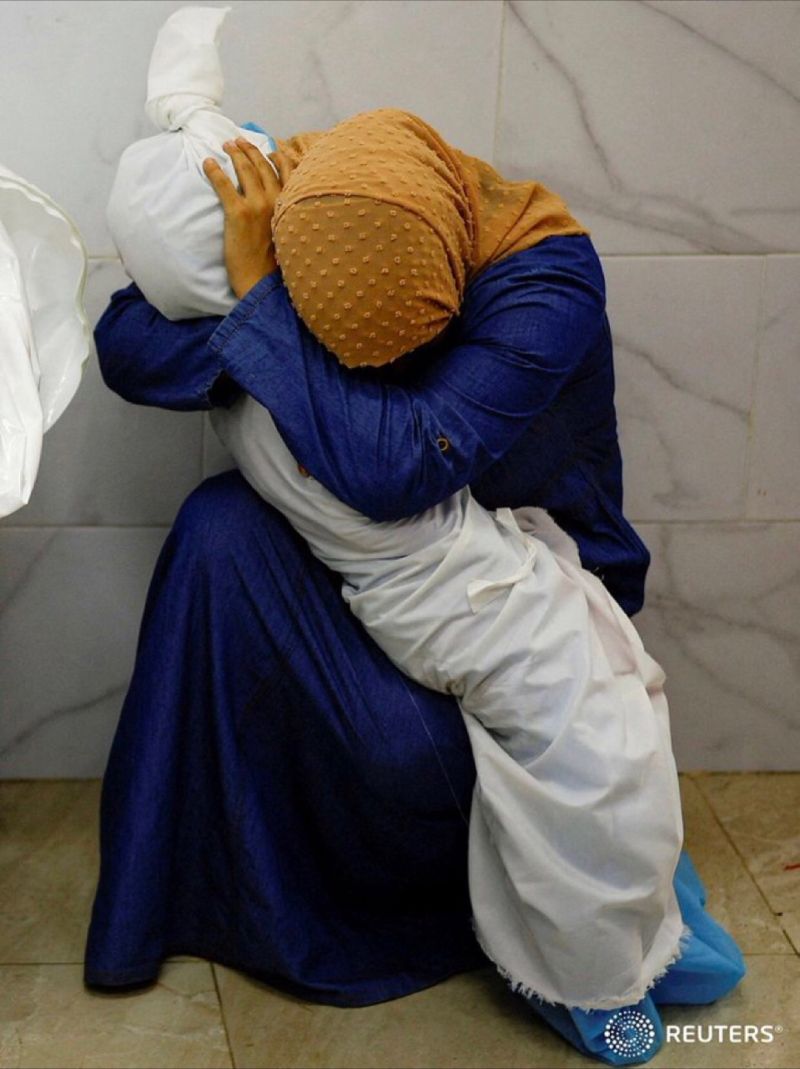
Throughout history, dehumanization has been a pervasive tool used to justify mass killings in times of war. By stripping individuals or groups of their humanity, aggressors can rationalize and legitimize violence against them. The situation in Gaza is a contemporary example of this disturbing phenomenon, where it is employed to justify the mass killing of Palestinians.
Understanding Dehumanization
Dehumanization involves viewing and treating people as less than human. It often manifests through language, imagery, and policies that depict the targeted group as inferior, dangerous, or subhuman. This process creates a psychological and emotional distance between the perpetrators and the victims, making it easier to inflict harm without guilt or remorse.
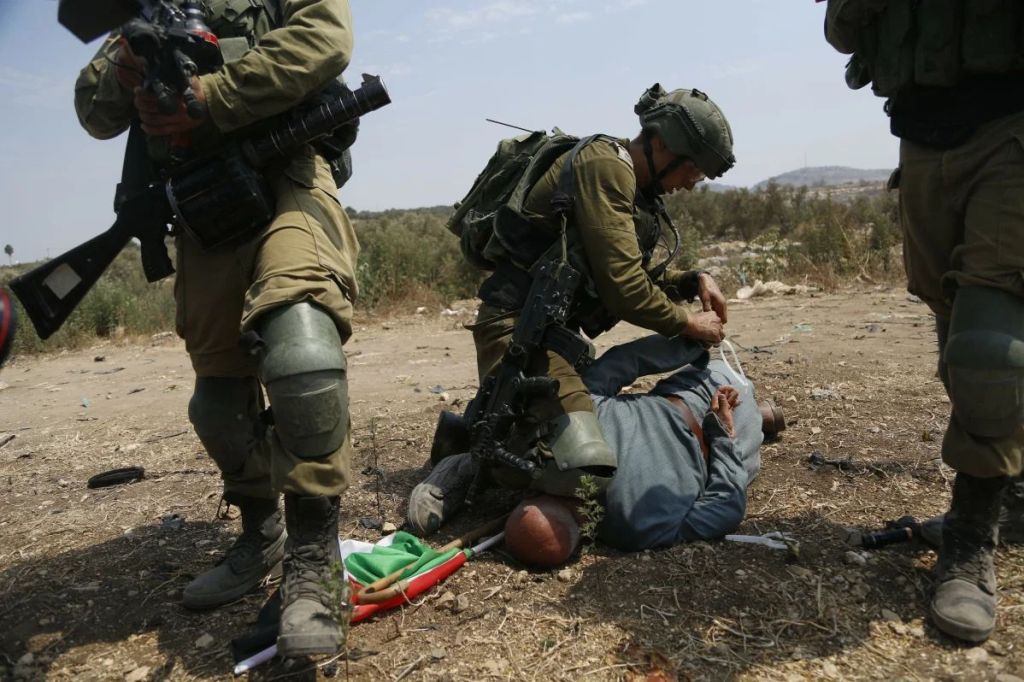
In the context of Gaza, Palestinians are frequently labeled as “terrorists” or “militants,” shifting the perception from civilians to legitimate targets of military action. The Israeli Defense Minister Yoav Gallant officially stated, “We are fighting human animals and we act accordingly.” Western media coverage often frames the conflict in ways that highlight the threat posed by Palestinians, downplaying their suffering and humanity. This rhetoric devalues Palestinian lives and justifies extreme measures against them.
Mechanisms of Dehumanization
State-sponsored propaganda and biased media reporting play significant roles in dehumanizing Palestinians. Their portrayal as extremists perpetuates negative stereotypes and desensitizes the wider public to their plight. Careful selective reporting and the omission of the human cost of military actions contribute to a one-sided narrative that greatly devalues Palestinian lives. Images of destruction in Gaza rarely focus on the human impact on families and communities, instead emphasizing the “necessary” military operations.
Policies that restrict the movement, rights, and access to essential services for Palestinians in Gaza further dehumanizes them. The blockade not only limits access to food, medical supplies, but also basic necessities, exacerbating the humanitarian crisis. Israeli military strategies focus on widespread destruction and civilian casualties are often justified through the dehumanizing rhetoric, portraying these actions as necessary for security.
Islamophobia and Its Impact
This is not an isolated phenomenon and is deeply intertwined with the rise of Islamophobia since the events of 9/11. Anti-Islamic rhetoric and literature have significantly increased, painting Muslims as inherent threats to global security. The culmination of this was witnessed in the Abu Ghraib prison scandal, which came to light in 2004, involving severe human rights abuses by U.S. military personnel against detainees in Iraq. The abuses included physical and sexual abuse, torture, and humiliation. This widespread prejudice has seeped into political discourse and media representations, further entrenching negative stereotypes about Muslims.
Since 9/11, the portrayal of Muslims in media and popular culture has often been linked to terrorism and violence, fostering a climate of fear and suspicion. This pervasive Islamophobia has not only justified wars and military interventions in predominantly Muslim countries but has also influenced public opinion and policy decisions. The narrative that Muslims, including Palestinians, are inherently violent or extremist helps justify the disproportionate use of force against them.
In Gaza, this has manifested in the portrayal of Palestinians as existential threats, thereby rationalizing severe military actions and the blockade.
Muslim communities worldwide often remain oblivious to the systematic Islamophobia campaigns that fuel such violence. Despite being the primary targets, there is a lack of concerted effort from Muslim-majority countries to address and counteract these narratives. Academic scholars focusing on Islamophobia struggle for recognition and funding, as Muslim countries rarely prioritize or support research in this critical area.
The Human Cost and the Path Forward
The dehumanization of Palestinians in Gaza has profound and tragic consequences. It not only justifies mass killing but also perpetuates a cycle of violence and suffering. The psychological impact on both the victims and the perpetrators is significant, fostering hatred, fear, and a sense of helplessness. It exacerbates the trauma and suffering experienced by Palestinians, denying them their dignity, identity, and humanity. It undermines efforts to achieve peace and reconciliation, trapping them in a state of perpetual conflict and insecurity.
Addressing the dehumanization of Palestinians in Gaza requires a multifaceted approach. Media outlets and educational institutions should prioritize humanizing stories and perspectives, highlighting the personal experiences and struggles of Palestinians. Political leaders, activists, and influencers should challenge dehumanizing language and rhetoric, promoting narratives that recognize the humanity and rights of Palestinians. Advocacy and awareness campaigns can highlight the detrimental effects of dehumanization and encourage more balanced and compassionate discourse.
Governments and international organizations should work towards policies that protect and uphold the rights and dignity of all individuals, regardless of their background. Addressing the root causes of conflict, such as occupation and blockade, through diplomatic and peaceful means is essential to reducing the conditions that foster dehumanization.
The dehumanization of Palestinians in Gaza is a critical issue that sustains and justifies ongoing violence and suffering. By recognizing and addressing the mechanisms of dehumanization, we can work towards a more just and humane resolution to the conflict. Promoting empathy, challenging harmful narratives, and advocating for policy changes are essential steps in this process. Only through rehumanizing the victims of this conflict can we hope to break the cycle of violence and achieve lasting peace and justice for all.
 One Ummah