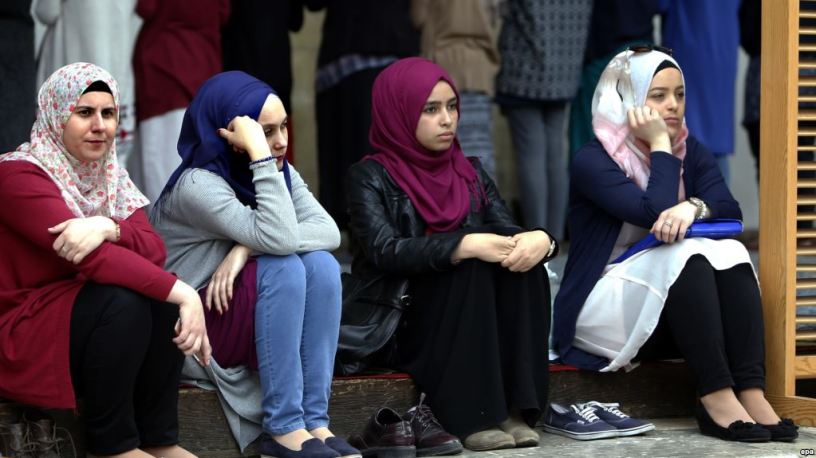
The recent hijab ban in Tajikistan has stirred significant controversy and concern, particularly regarding its implications for religious freedom and the dignity of the country’s Muslim population. The law, which prohibits the wearing, importing, selling, and advertising of Islamic clothing, including the hijab, marks a formal crackdown on religious expression that has been unofficially enforced for years.
Infringement on Religious Freedom and Dignity
Critics argue that the ban is a direct violation of religious freedom, a fundamental human right enshrined in numerous international agreements to which Tajikistan is a party. For many Muslim women, wearing the hijab is not merely a cultural practice but a deeply personal and religious obligation. The prohibition of such attire is seen as an affront to their dignity and autonomy, forcing them to choose between their religious beliefs and compliance with state regulations.
Numerous accounts highlight the personal struggles faced by women due to this ban. For instance, a university teacher from Khujand described how she had to abandon her hijab to secure her dream job, a decision she found extremely challenging. This reflects a broader sentiment among many Tajik women who feel coerced into abandoning their religious identity to avoid legal repercussions and social ostracism.
Government’s Motives: Control and Power
The motives behind the Tajik government’s stringent measures extend beyond cultural preservation. Analysts suggest that these actions are rooted in a desire to maintain control and suppress political opposition. The Islamic Renaissance Party of Tajikistan (IRPT), the main opposition party, has been a significant thorn in the side of President Emomali Rahmon’s administration. By clamping down on Islamic practices and symbols, the government aims to weaken the influence of the IRPT and any associated religious movements, which it views as potential threats to its authority.
This strategy is part of a broader campaign to reinforce a secular national identity while marginalizing any form of religious expression that could challenge the state’s dominance. Since the early 2000s, Tajikistan has seen a series of measures designed to curtail public displays of religiosity, from banning students from wearing hijabs to regulating the length of men’s beards. These policies are often justified under the guise of combating extremism, yet they disproportionately target ordinary citizens attempting to practice their faith.
Broader Implications and Muslim Demographics
The enforcement of this ban raises critical questions about the balance between national security and individual rights. While the government asserts that such measures are necessary to prevent the spread of extremist ideologies, the blanket prohibition of Islamic attire undermines the principles of religious freedom and personal dignity. It forces many to navigate a precarious path between adhering to their religious convictions and avoiding punitive action from the state.
The situation is exacerbated by the fact that Tajikistan is a predominantly Muslim country, with over 90% of its population adhering to Islam. This demographic reality makes the ban particularly egregious as it targets the religious practices of the vast majority of the population, thereby amplifying feelings of discrimination and alienation among the Muslim community.
In conclusion, Tajikistan’s hijab ban highlights the ongoing tension between secular governance and religious freedom. It underscores the lengths to which the government is willing to go to maintain control and suppress opposition, often at the expense of individual rights and freedoms. This development not only impacts the Muslim community in Tajikistan but also sets a concerning precedent for religious liberty in the region.
 One Ummah