Islamophobia, the irrational fear or hatred of Muslims, is a pervasive issue that significantly impacts the lives of Muslims worldwide. However, many within the Muslim community remain unaware of the full extent of this problem and its systemic nature. This lack of awareness often leads to a focus on activism and support for traditional institutions such as mosques and schools, rather than on entities that tackle systemic Islamophobia. This article explores the reasons behind this oversight and suggests potential solutions to address this critical issue.
The Shocking Truth: How Misplaced Priorities Are Hurting Muslim Communities
Islamophobia manifests in various forms, from individual acts of discrimination to systemic policies that marginalize Muslim communities. This dehumanization of Muslims has contributed to severe consequences, such as the ongoing massacre of Palestinians. The portrayal of Muslims as the “other” in media and politics has entrenched stereotypes that justify violence and exclusion.
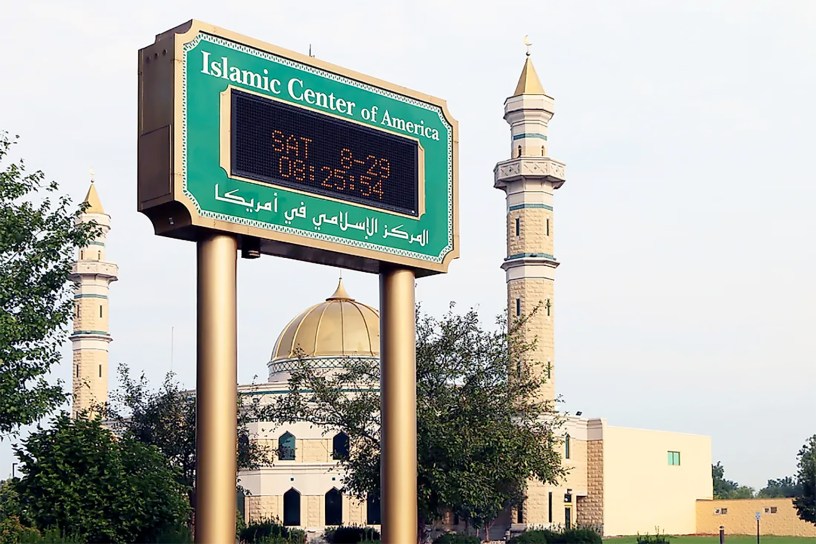
Many Muslims prioritize funding and support for mosques, schools, and religious activities. These institutions are vital for maintaining cultural and religious identity, yet they often do not directly address the systemic nature of Islamophobia. The focus on these traditional institutions can be attributed to cultural priorities, where religious and cultural preservation is a primary concern, leading to a preference for funding mosques and religious schools. Additionally, many Muslims may not fully understand the systemic nature of Islamophobia or the importance of intellectual efforts to combat it. Mosques and religious schools have always been the centers of community support and education, making them the default recipients of funding.
Could $50 Million Fund the Future? How Redirected Resources Can Make a Difference
To effectively counter Islamophobia, there is a critical need for supporting intellectuals and institutions that address systemic issues. These entities work on multiple fronts, including policy advocacy, media representation, and academic research, to challenge the root causes of Islamophobia. Unfortunately, these efforts often lack sufficient funding and support. For example, a mosque that costs $50 million to build could instead fund scholarships for numerous brilliant students who can tackle issues intellectually. Currently, there is no coordinated effort to support these potential individuals. Smart students often have to sacrifice on their own dime to educate themselves on non-conventional subjects, such as the history of the Islamic world or traditional Islamic law.
One reason for these funding disparities is that mosques and schools are tangible institutions that provide immediate, visible benefits to communities. In contrast, the work of intellectuals and advocacy groups may not offer immediate, visible results. Additionally, community members may trust traditional institutions more than newer or less familiar advocacy groups. There may also be a perception that supporting mosques and schools is more directly relevant to the daily lives and religious obligations of Muslims.
Other religious groups have very successfully coordinated efforts to address systemic issues. For example, the Jewish community has established several influential think tanks, advocacy groups, and academic institutions that work on policy advocacy, media representation, and combating anti-Semitism. The Anti-Defamation League (ADL) is a prominent organization that fights anti-Semitism and other forms of bigotry through advocacy, education, and litigation. Another example is the American Israel Public Affairs Committee (AIPAC), which is highly effective in advocating for pro-Israel policies in the United States. These organizations have significantly impacted public discourse and policy-making, ensuring the protection and advancement of Jewish interests.
In the Christian community, numerous think tanks and advocacy groups also influence public policy and address systemic issues. The Family Research Council (FRC), who’s missions is “to serve in the kingdom of God by championing faith, family, and freedom in public policy and the culture from a biblical worldview” promotes and influences policy from a Christian perspective through research and advocacy. Similarly, the Ethics and Religious Liberty Commission (ERLC) of the Southern Baptist Convention works to address moral, ethical, and religious liberty issues in society. These communities have effectively mobilized resources to support intellectual and advocacy efforts that protect their interests and combat discrimination. Their careful and coordinated approach has resulted in significant advancements in protecting Christian communities and influencing public policy.
The logical reality is, if there are no intellectuals to defend against Islamophobia, we will likely see more instances of it in the future. Intellectuals play a crucial role in shaping public discourse, influencing policy, and educating broader society about the realities and consequences of Islamophobia. Their absence could lead to a continued cycle of discrimination and violence against Muslims.
Currently, the advocacy situation for Muslims in the United States lacks the coordination and impact seen in other religious groups. While organizations like the Council on American-Islamic Relations (CAIR) work to protect civil rights and advocate for Muslims, they often lack the resources and widespread support needed to tackle systemic issues effectively. In comparison, Jewish advocacy groups like the ADL and AIPAC have significant influence in lobbying politicians and shaping policy. The disparity in support and coordination highlights the need for a more strategic and unified approach within the Muslim community.
Increasing awareness about the systemic nature of Islamophobia and the importance of supporting intellectual efforts can help shift funding priorities. Community leaders and activists can play a crucial role in this educational effort. Advocacy groups and intellectual institutions need to build trust within the Muslim community by demonstrating their impact and relevance. Encouraging Muslims to diversify their charitable giving to include both traditional institutions and entities that tackle systemic issues is essential. This could involve creating collaborative platforms that pool resources for various causes.
Islamophobia is a systemic issue that requires a multifaceted approach to address effectively. While traditional institutions such as mosques and schools are important, it is equally crucial to support intellectual efforts that counter the root causes of Islamophobia. By diversifying funding and increasing awareness, the Muslim community can play a more significant role in combating this pervasive issue and ensuring a more just and equitable society for all.
 One Ummah
Comments are closed.