
In an age where global communities are uniting and forming powerful blocs, the concept of the Muslim Ummah has been usurped, giving rise to modern Ummahs that now subjugate Muslims. The Prophet Muhammad (peace be upon him) said, “The believers, in their mutual kindness, compassion, and sympathy, are just like one body. When one of the limbs suffers, the whole body responds to it with wakefulness and fever” (Sahih Muslim). This hadith underscores the profound sense of unity and solidarity that once characterized the Muslim community. Today, however, the vision of a united Ummah seems like a distant dream, overshadowed by subjugation and persecution, while other global communities consolidate power and influence.
Usurping the Concept of ‘Ummah’ – Western Powers: The Modern Ummah in Disguise
In the contemporary world, various groups have emerged that could be seen as modern forms of an Ummah—cohesive and influential communities that wield significant power and influence on the global stage. The western world (US, Canada, Europe and Australia) represent some of the strongest and most influential Ummahs today. These regions, despite their diverse populations, have managed to create a sense of unity and shared purpose that allows them to exert substantial influence in international affairs.
These modern Ummahs often prioritize their own survival and economic advantages over global justice. For instance, the U.S. invasion of Iraq and the subsequent defense from the media of their illegitimate actions reflect a unified front where self-interest trumps accountability. The atrocities at Abu Ghraib prison, where detainees were subjected to horrific abuse and humiliation, serve as a stark reminder of the moral compromises made in the name of security. Similarly, the rape camps in Bosnia, a dark chapter now largely deliberately forgotten, highlight the failure of these modern Ummahs to uphold human rights when their interests are at stake.
Moreover, Israel’s ongoing genocidal in Palestine is defended and supported by these Western Ummahs, showcasing a collective defense mechanism that systematically protects their interests rather than standing for justice. This selective empathy and moral blindness reveal the true priorities of these powerful blocs.
The Emerging and Unprecedented Hindutva Ummah
Alongside these established powers, new forms of Ummah are emerging, such as the Hindutva movement in India. This movement seeks to create a unified Hindu identity that transcends regional and linguistic differences, aiming to establish India as a Hindu nation, unprecedented in history. The Hindutva ideology has gained considerable traction, shaping political discourse and influencing government policies. It represents a modern attempt to forge a cohesive and influential community based on shared cultural and religious values.
The rise of Hindutva has had severe Islamophobic consequences. Recent reports highlight an increase in violence and discrimination against Muslims in India, fueled by the rhetoric and policies of Hindutva leaders. These include mob lynchings, forced conversions, and systemic discrimination in employment and education. Additionally, the movement is actively rewriting history books to promote a biased and often unfactual narrative that supports its cause. This historical revisionism seeks to erase the contributions of Muslims and other minorities, further marginalizing them and fostering an environment of intolerance and subjugation.
The Disintegrated Muslim Nations
In contrast, Muslim countries , which once embodied the principle of unity and mutual support, is now deeply fragmented. Political divisions, sectarian conflicts, and external interventions have all contributed to this disintegration. From the turmoil in the Middle East to the struggles of Muslim minorities in non-Muslim-majority countries, the Muslims are experiencing unprecedented levels of persecution and subjugation.
The vision of the Muslim Ummah as a united body is now a distant memory. The plight of Muslims in regions like Palestine, Myanmar, and China often goes unaddressed by other Muslim-majority countries, further illustrating the disintegration of the Ummah.
A Body in Pain
The Prophet’s metaphor of the Ummah as a single body, where the suffering of one part affects the whole, is a poignant reminder of the ideal state of Muslim unity. Yet, today, this ideal seems far from reality. The suffering of Muslims in places like Palestine, Syria, Myanmar, and China often goes unnoticed or unaddressed by other Muslim-majority countries. This lack of solidarity and collective action exacerbates the sense of fragmentation and powerlessness within the Muslim Ummah.
In stark contrast, modern Ummahs like the western world demonstrate a form of unity that, while self-serving, is highly effective. Their ability to defend their actions on the global stage and protect their interests, regardless of the moral implications, highlights their cohesive power. For example, despite widespread condemnation, these Western Ummahs continue to support Israel’s actions in Palestine, showcasing their collective strength and unified stance.
Muslim countries must strive to emulate the positive aspects of modern Ummahs, such as their ability to unify and mobilize for common goals. However, unlike the self-serving nature of some of these modern Ummahs, the Muslim community must prioritize justice, not only for themselves but for all people. The Prophet Muhammad’s (peace and blessings upon him) teachings on justice and solidarity must be at the forefront of this renewed effort.
The Gulf Nations: A Case of Short-Sightedness
The self-serving actions of Arab nations in the Gulf, where short-term economic gains are prioritized over long-term solidarity, create circumstances for their eventual alienation and subjugation. By aligning with powers that subjugate Muslims globally, these nations are undermining their own future security and stability. Their support for regimes that oppress Muslims worldwide, driven by economic and political expediency, is not only morally questionable but also strategically short-sighted.
This behavior reflects a form of psychological dissonance—a schizophrenia where these nations outwardly claim to support Islamic values while their actions betray a starkly different reality. The apparent logic behind supporting those who subjugate their fellow Muslims reveals a profound disconnect from the principles of justice and unity that should guide their policies.
By failing to stand against oppression and injustice, these Gulf nations risk alienating themselves from the broader Muslim community. This lack of solidarity could eventually backfire, as history has shown that regimes built on self-interest and external alliances often crumble under the weight of internal dissent and external pressures.
While countries like the UAE appear to offer more justice and rights for their native citizens, this relative stability is largely due to their vast wealth from oil, not because of the output or freedoms of the citizens themselves. The wealth allows these governments to provide high standards of living and substantial social services, which can mask underlying issues of political repression and lack of freedom of speech.
The current state of affairs in Gulf nations like the UAE may seem stable, but this stability is precarious. The absence of political freedoms and the reliance on oil wealth create a fragile foundation. Economic diversification efforts are ongoing, but without genuine political reforms and increased freedoms, these efforts may not be enough to sustain long-term stability. Moreover, as global energy markets shift and the world moves towards renewable energy sources, the economic foundation of these oil-rich states could weaken. This economic vulnerability, combined with suppressed political dissent, could lead to significant instability. The pursuit of short-term economic advantages at the expense of long-term identity and solidarity not only threatens their future stability but also undermines the principles of unity and justice that are fundamental to the Islamic faith.
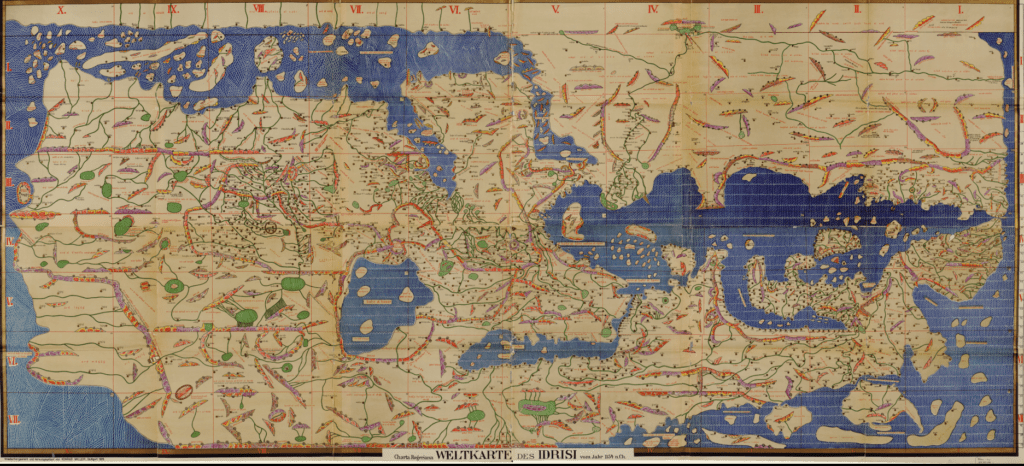
The usurping of the concept of Ummah by modern powers has led to the subjugation and fragmentation of the Muslim Ummah. To reverse this trend, the Muslim community must strive to embody the principles of unity and solidarity that once defined it. By becoming truly independent (see Why Independence is an Illusion for These Muslim Countries) and addressing external pressures, the Muslim Ummah can work towards reclaiming its position as a cohesive and influential force in the world. Only then can the vision of a united Ummah, as envisioned by the Prophet Muhammad (peace and blessings upon him), become a reality.
The actions of Gulf nations must be critically examined and realigned with the broader interests of the Muslim Ummah. Their current path of short-sighted alliances and self-serving policies will lead to their eventual isolation and vulnerability. True strength and stability for the Muslim world can only be achieved through genuine unity, justice, and mutual support, in accordance with the teachings of Islam.
 One Ummah