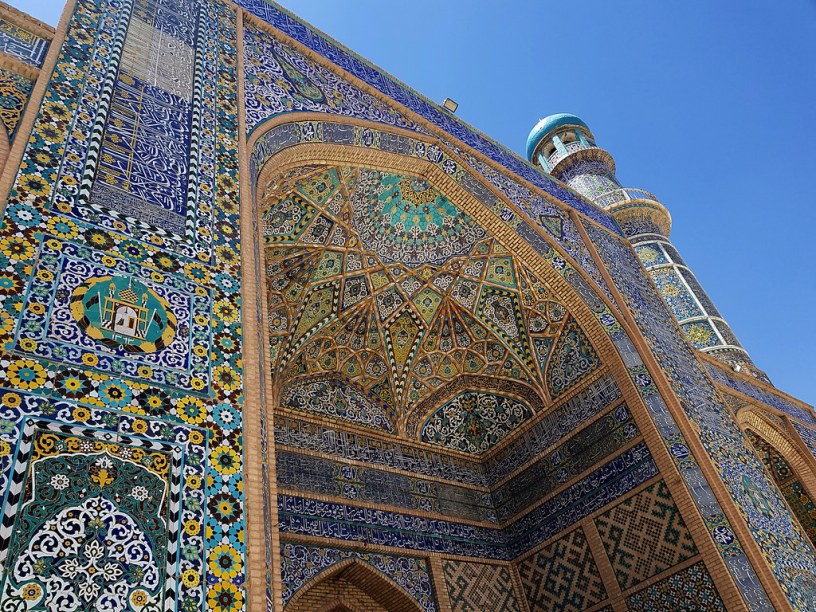
In the rich tapestry of Islamic history, awqaf (plural of waqf) have played a pivotal role, funding educational, religious, and social institutions that have shaped Muslim societies for centuries. These independent charitable endowments have been the backbone of countless madrasas, mosques, and hospitals, nurturing the intellectual and spiritual growth of the Muslim world. However, the advent of colonial rule brought about the systematic dismantling of awqaf, leading to profound and lasting consequences. This article explores the historical significance of awqaf, their dismantlement by colonial powers, and the resulting subservience of religion to the state in contemporary Islamic history.
The Historical Significance of Awqaf
Awqaf have been integral to the Islamic world since the early days of Islam. These endowments, established by devout individuals or families, dedicated property or income for public and religious purposes. The revenues generated by awqaf were essential in funding numerous institutions.
Islamic learning centers, such as madrasas and universities, thrived on self sustaining financial support provided by these endowments. Institutions like Al-Azhar University in Cairo and the University of Al-Qarawiyyin in Fez are testaments to the enduring legacy of awqaf. These centers of learning not only preserved and propagated Islamic knowledge but also contributed significantly to various fields of science, medicine, and the humanities.
Awqaf also played a crucial role in supporting religious activities. They ensured the maintenance and operation of mosques, funded the salaries of imams and preachers, and supported religious scholars in their pursuits. Additionally, these endowments provided social services such as hospitals, orphanages, and public kitchens, thus contributing to the welfare and stability of the broader community.
In classical Islamic law, dismantling or revoking a waqf was generally considered impermissible (haram) due to the principles of perpetuity, irrevocability, and inalienability (asset in waqf cannot be sold, given away, or inherited), and they were highly protected by the scholars.
The Colonial Dismantling of Awqaf
The expansion of colonial empires into the Muslim world during the 18th and 19th centuries marked the beginning of the end for many of these awqaf. European colonial powers sought to deliberately weaken the socio-economic structures that supported Islamic societies in order to dominate them, and awqaf were primary targets in this endeavor. The dismantling occurred through several mechanisms.
Colonial authorities often confiscated waqf properties, redirecting their revenues to fund colonial administrations. This expropriation deprived Islamic institutions of their financial lifeline, leading to the decline of many esteemed educational and religious establishments. For instance, the French colonization of Algeria saw the seizure of numerous waqf properties, disrupting the financial foundation of local madrasas and mosques.
Legal reforms introduced by colonial regimes further undermined the autonomy of waqf institutions. Bureaucratic controls were imposed, and awqaf were subjected to state oversight, effectively neutralizing their independence. The British administration in India, for example, enacted regulations that placed waqf properties under government control, severely restricting their traditional functions.
The economic exploitation of colonies also played a significant role in disrupting the traditional revenue streams of awqaf. The shift towards cash crops and the imposition of new tax systems eroded the financial base of many awqaf, leaving them unable to support their intended beneficiaries.
Why Dismantling Awqaf Left Islamic Societies in Turmoil
The dismantling of awqaf had far-reaching and deeply negative effects on Islamic societies. The decline of Islamic learning centers was one of the most immediate consequences. With the loss of financial support, many madrasas and universities faced severe hardships. The quality of education deteriorated, and some institutions were forced to close their doors permanently. The intellectual vibrancy that once characterized Islamic scholarship diminished significantly. This highly disrupted the production of quality, well trained Islamic jurists, that would possess the tools to shape the fast changing intellectual landscape of the modern world.
The erosion of religious authority was another critical impact. The weakening of awqaf undermined the independence of religious scholars and institutions, leaving a vacuum often filled by colonial or state-appointed officials. This erosion of authority compromised the integrity of religious teachings and practices. In Egypt, for instance, the British-controlled government took over many waqf properties, which previously supported independent religious scholars, leading to increased state interference in religious affairs.
Social disintegration followed as the social services provided by awqaf, such as healthcare and support for the needy, were severely disrupted. This led to increased poverty and social instability in many Muslim communities. In the Ottoman Empire, the expropriation of waqf funds by European powers led to the decline of public services that had been sustained by these endowments for centuries.
From Sacred to Subservient – Religious Institutions Hijacked By Modern States
The legacy of dismantled awqaf continues to affect Muslim-majority countries in the post-colonial era. The modern state has now successfully absorbed the functions previously managed by awqaf, leading to a situation where religion has become completely subservient to the state, which is unprecedented in Islamic history. This subservience is evident in several ways.
Governments in many Muslim countries exert substantial control over religious institutions, including mosques and religious schools, because funding essentially is state sponsored, (as opposed to independent funding via centuries old awqaf foundations). States appoint religious leaders and regulate religious activities, often leading to the politicization of religious discourse. In Saudi Arabia and U.A.E, for instance, the state controls the administration of mosques and the appointment of imams, aligning religious teachings with state policies.
State control over waqf institutions fundamentally compromises the theological independence and moral agency of Islam. When the state exerts control over awqaf, it often co-opts religious leaders and scholars into its bureaucratic machinery. This creates a conflict of interest, where religious leaders may feel pressured to align their teachings and actions with state policies, rather than Islamic principles. The theology of Islam, which emphasizes justice, charity, and welfare, can become subordinated to the political agenda of the state, limiting freedom of expression and inhibiting the capacity of religious leaders to criticize or stand against state injustices. Essentially, standing up for justice can become synonymous with standing up against the very entity that controls their financial and institutional resources.
The centralization of religious authority in the hands of the state also diminishes the pluralism and diversity that once characterized Islamic scholarship. This centralization stifles independent religious thought and innovation. The Turkish government’s Directorate of Religious Affairs (Diyanet) exemplifies this trend, as it oversees religious education and mosque administration, effectively controlling religious expression within the country.
Moreover, Muslim states today use religion as a tool to legitimize their authority and suppress dissent, which is possible because of the inability for religious institutions to operate independently from the government. This manipulation erodes the credibility of religious institutions and alienates segments of the population. The Iranian government’s use of religious rhetoric to justify political actions is a notable example of this phenomenon.
The dismantling of awqaf by colonial powers marked a significant turning point in Islamic history, with lasting negative effects on education, religious authority, and social welfare. The subservience of religion to the state in the modern age further complicates efforts to revive the rich legacy of Islamic endowments. Addressing these challenges requires a concerted effort to restore the autonomy and financial independence of religious institutions, ensuring they can once again play a vital role in the cultural and social development of Muslim communities. Only through such restoration can the profound spiritual and intellectual heritage of awqaf be preserved and advanced for future generations.
 One Ummah