
Fazlur Rahman Khan, a Bangladeshi-American structural engineer and architect, is a name that remains relatively unknown to the general public, yet his contributions have forever altered the skyline of cities around the world. Born on April 3, 1929, in Dhaka, which was then part of British India, Khan would go on to revolutionize the field of structural engineering with his groundbreaking work in high-rise construction, making modern skyscrapers, such as the iconic World Trade Center in New York, a reality.
The Architectural Genius
Khan’s most significant contribution to architecture was the development of the “tube structure” system, a method that allows buildings to reach unprecedented heights while maintaining both structural integrity and cost efficiency. Before his innovation, skyscrapers were typically constructed using a rigid frame system, which limited their height and required more materials. Khan’s tube structure, however, treated the building as a hollow cylinder, with the outer walls bearing most of the load. This method not only reduced the amount of steel needed but also allowed for much taller buildings with open floor plans.
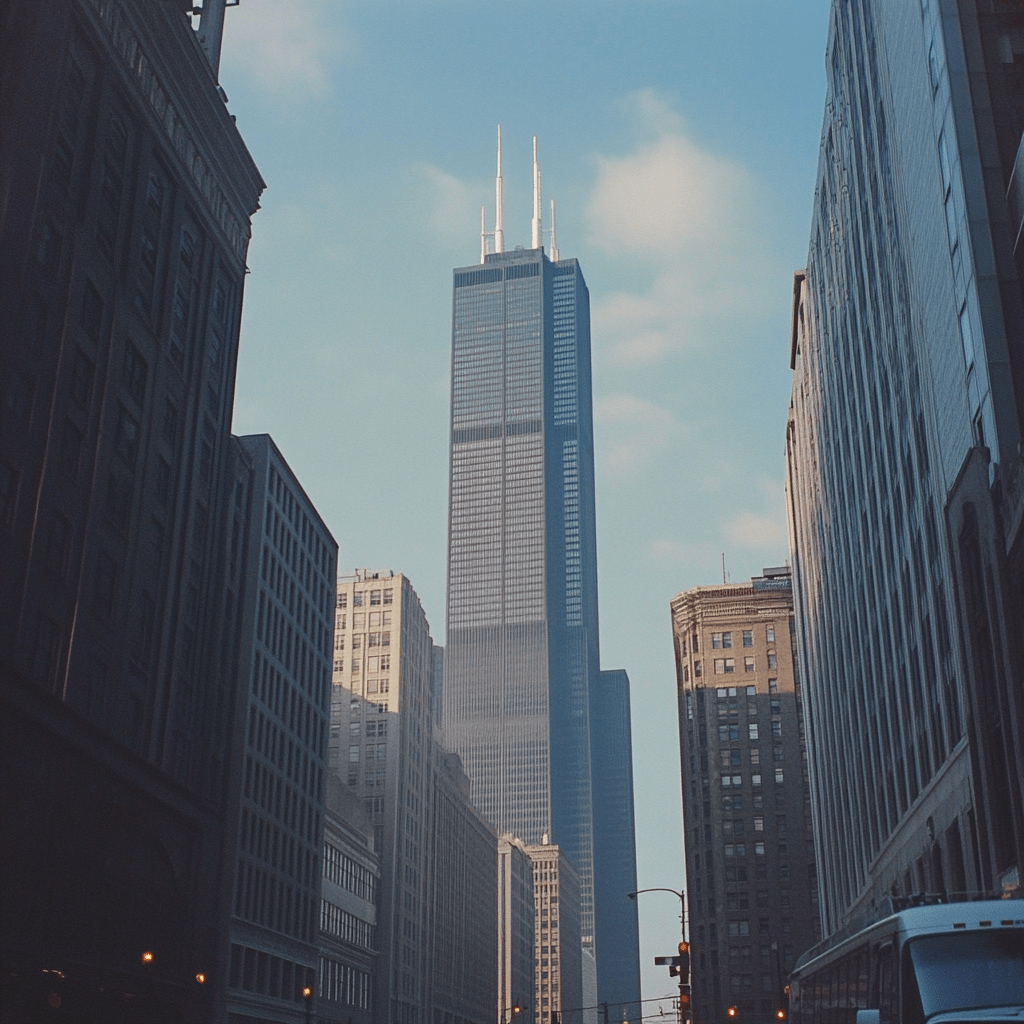
The first and perhaps most famous application of this technique was in the construction of the John Hancock Center in Chicago, completed in 1969. This 100-story building was a marvel of its time, demonstrating the power and efficiency of Khan’s design. Following this success, his method was employed in the construction of the Sears Tower (now Willis Tower), which held the title of the world’s tallest building for over two decades. The World Trade Center in New York, although utilizing a variation of Khan’s tube structure, was also built on principles he developed, showcasing his influence on the most iconic buildings in the world.
A Legacy Overshadowed
Despite his monumental contributions, Fazlur Rahman Khan’s legacy has often been overshadowed by broader societal narratives, particularly those surrounding Muslims and immigrants in the United States. As a Muslim immigrant, Khan’s story should be celebrated as a testament to the vital contributions immigrants have made to American society. However, following the tragic events of September 11, 2001, the narrative around Muslims in America became deeply politicized and negative. This shift in rhetoric has, unfortunately, led to a diminishing recognition of Khan’s work, as the focus often strays towards fear and suspicion rather than celebration of his achievements.
The irony is profound: the very buildings that were attacked on 9/11 owed their existence to the ingenuity of a Muslim immigrant. Yet, rather than honoring this connection, public discourse has largely ignored it, contributing to a skewed perception of the Muslim community’s role in shaping modern America.
A Worldwide Impact
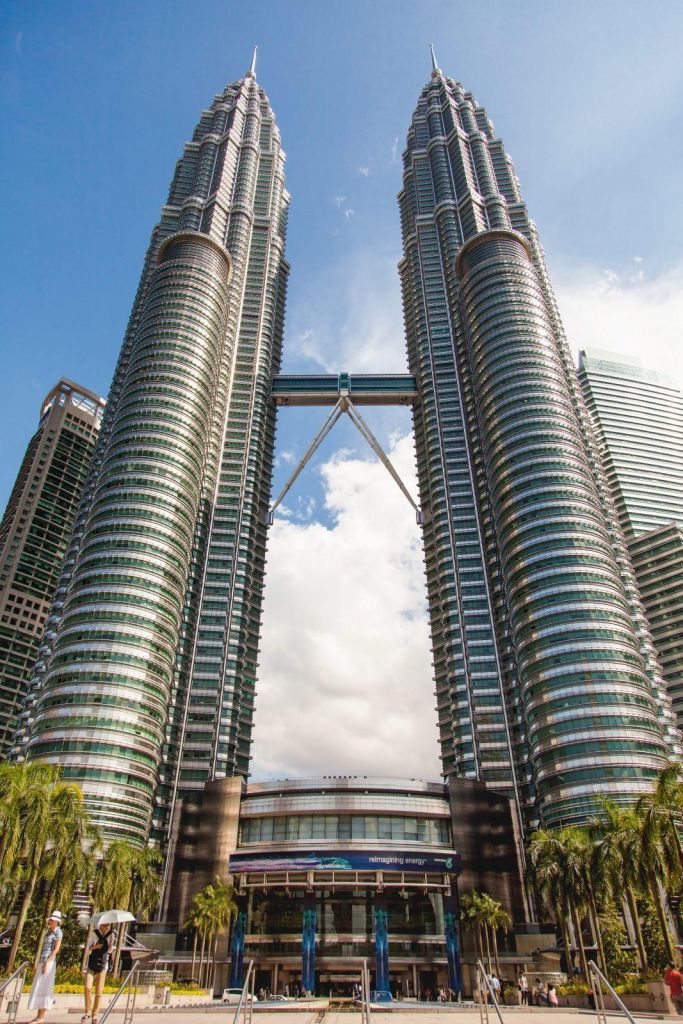
Khan’s design principles have not only shaped the skyline of American cities but have also been adopted globally. From the Burj Khalifa in Dubai to the Shanghai Tower in China, Khan’s tube structure has become the foundation upon which the world’s tallest and most ambitious skyscrapers are built. His work has laid the groundwork for the rapid vertical expansion of cities, allowing for more efficient land use and contributing to the architectural wonders that define our modern world.
The global influence of Khan’s designs is a testament to his genius and the universal applicability of his innovations. His work transcends borders and continues to inspire architects and engineers worldwide.
Remembering Fazlur Rahman Khan
As we look to the future of architecture and urban design, it is crucial to remember the contributions of Fazlur Rahman Khan. His innovations have made it possible for the world to build ever higher, yet his legacy serves as a reminder of the complexities of identity, immigration, and recognition in a world where contributions can be overshadowed by prejudice.
Khan’s story is not just one of architectural genius; it is a story of the immigrant experience in America, of the challenges faced by those who come to build a better life, and of the ways in which their contributions are often minimized in the face of broader societal fears. In celebrating Khan, we also celebrate the potential of every immigrant and every person who, like him, seeks to make a lasting impact on the world.
Fazlur Rahman Khan’s name may not be as widely known as it deserves to be, but his legacy is etched into the very fabric of our cities. It is time to bring his story to the forefront, not just as a historical footnote, but as a central narrative of what it means to innovate, to build, and to belong.
 One Ummah