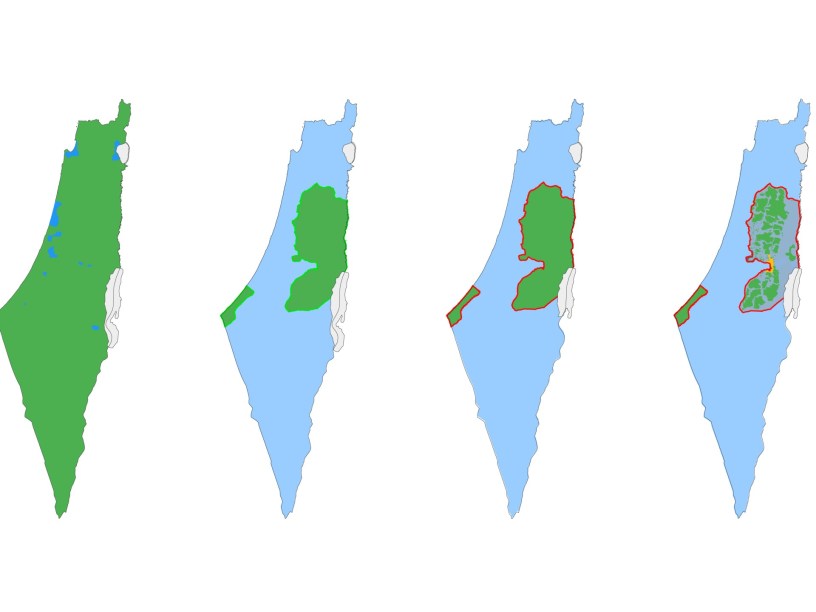
In the endless cycles of outrage and silence surrounding the Palestinian cause, one question remains disturbingly unanswered: why do Western governments, who claim to champion human rights and international law, continue to provide unwavering support for Israel despite decades of well-documented oppression against Palestinians?
Yes, geopolitics, military alliances, and powerful lobbies play their part. But there is a deeper, quieter fear—one not often discussed in policy papers or political debates. It is the fear of precedent.
What is the Precedent?
If Western nations were to truly support Palestinian self-determination, land return, and historical justice, they would be doing more than simply confronting a political ally. They would be legitimizing a broader principle: that indigenous people have the right to reclaim stolen land, resist colonization, and seek redress for past and ongoing injustice.
This single act would send shockwaves across the globe.
Because if it’s true for Palestine, then what about:
- The Indigenous peoples of Canada and the United States who still live under the legacy of stolen land and cultural genocide?
- Aboriginal Australians who were colonized and forcibly removed from their ancestral lands?
- African and Caribbean nations who still seek reparations for centuries of brutal slavery and colonial exploitation?
Acknowledging Palestinian rights would create a moral and legal domino effect. It would open the door for other colonized and oppressed peoples to demand justice, not just symbolically, but materially.
The Strategic Silence
This fear of precedent is not a formal policy; it’s embedded in the architecture of Western governance. It’s in the media narratives that portray Palestinian resistance as terrorism, while framing other struggles for freedom—like Ukraine—as noble. It’s in the academic self-censorship, the cultural taboos, and the weaponized accusations of anti-Semitism used to silence those who call Israel an apartheid state.
Supporting Palestine in full would mean undermining the West’s foundational myths:
- That it brings freedom and democracy.
- That its colonial past is behind it.
- That its global dominance is morally justified.
To acknowledge Palestine would be to admit that colonialism never ended—it just changed forms.
The Stakes Are Global
Palestine has become more than a local conflict. It is a global mirror. In it, the world sees not just an occupied people, but the reflection of its own unresolved injustices.
That is why so many governments resist supporting it beyond empty statements. The moment Palestine is recognized as a legitimate struggle against settler colonialism, a line has been crossed. The moral framework of Western hegemony begins to unravel.
Silence as Self-Preservation
The refusal to support Palestine isn’t just about loyalty to an ally or ignorance of facts. It’s about self-preservation. Because if justice is truly extended to Palestine, it must be extended elsewhere.
And that, more than anything, is what keeps Western powers silent, complicit, and afraid.
Until this unspoken fear is confronted, the slogans of freedom and human rights will remain hollow. And the cause of Palestine will continue to expose the great moral contradiction at the heart of the modern world order.
 One Ummah